A useful starting point
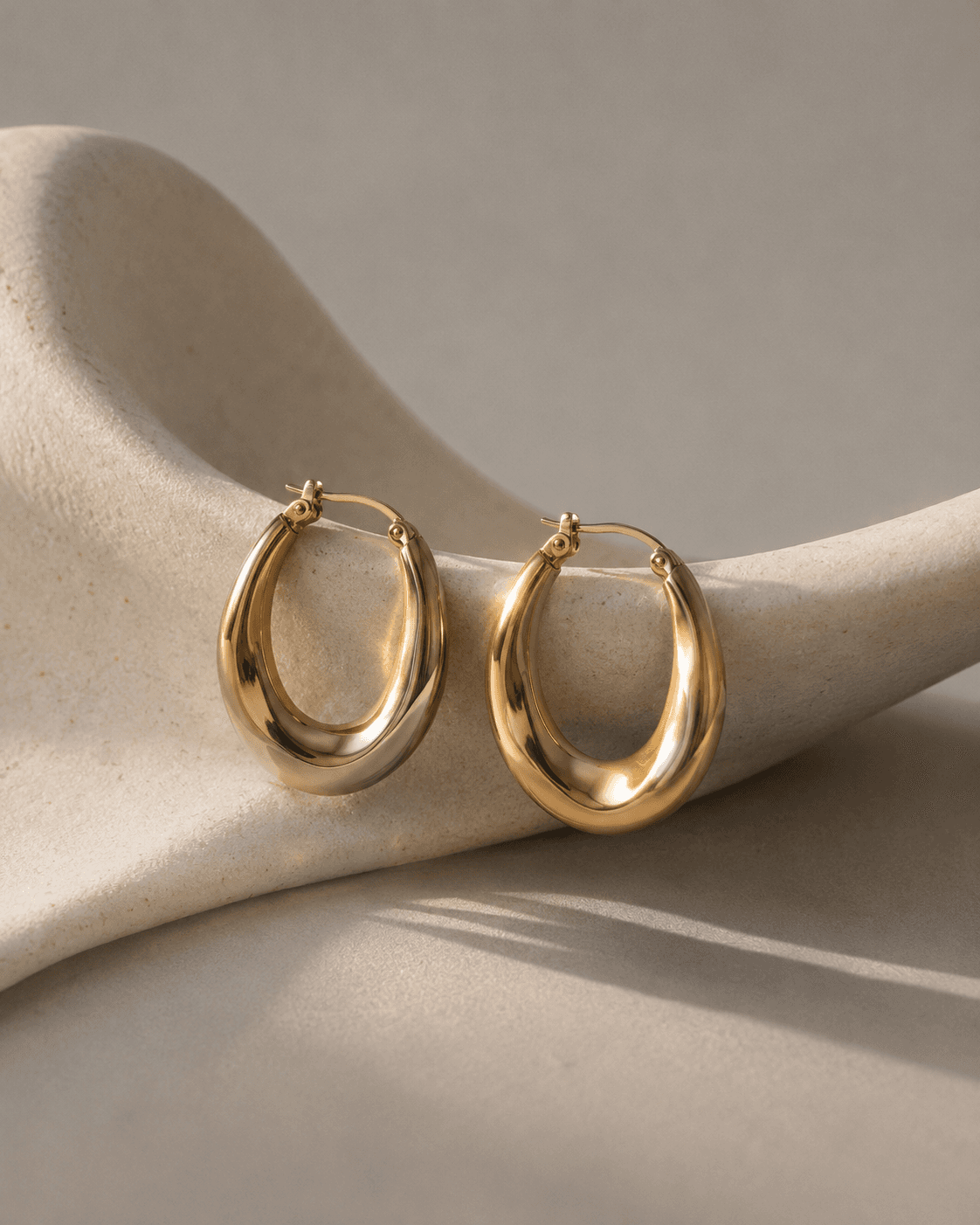
Compare hoops using measurements in millimetres, not just “small” or “large”. Ask whether the stated diameter is inside or outside the hoop, then check thickness, weight per earring and the closure. A front-facing image alone cannot show fit.
Inside and outside are different measurements
The outer diameter describes the full silhouette. The inner diameter describes the opening inside the hoop. A thick hoop can look substantial even when its inner opening is relatively small. When comparing two listings, make sure the measurements refer to the same part.
A useful first reference is an earring you already like. Place it beside a ruler and note its outer diameter, inner opening and profile. This is a comparison method; it does not establish whether another hoop will fit your piercing position.
Read scale without guessing
You can sketch a few circles on paper using the advertised diameters and compare their outlines. Do not assume the sketch represents a wearable product or an actual-size screen image. Use a physical ruler for scale.
| Listing detail | What it helps you compare | What it does not establish |
|---|---|---|
| Outer diameter, mm | Overall visual size | Room inside the hoop |
| Inner diameter, mm | Size of the opening | Fit on every piercing position |
| Profile or width, mm | Visual thickness | Weight or metal content |
| Weight per earring, g | The load of each piece | Individual comfort over a full day |
Look closely at the closure
A hinged hoop, a post-and-back design and a continuous hoop are handled differently. Look for a clear image of the closure and instructions for opening and fastening it. Avoid forcing a mechanism that you do not recognise.
Check whether the earrings are sold as a pair or individually and whether any backing is included. If a photograph shows several earrings on one ear, that is not enough to determine the contents of the listing.
Try one change at a time
For a softer outline, compare a slimmer profile in the same diameter. For a more sculptural effect, compare width rather than moving immediately to a larger diameter. This keeps the decision focused on the element you actually want to change.
Compare the earrings with your usual hairstyle, collar and glasses. A close-up may make a hoop look much larger than it does in a full-length mirror. Use both views, and let comfortable wear matter as much as the photograph.
Before you choose a pair
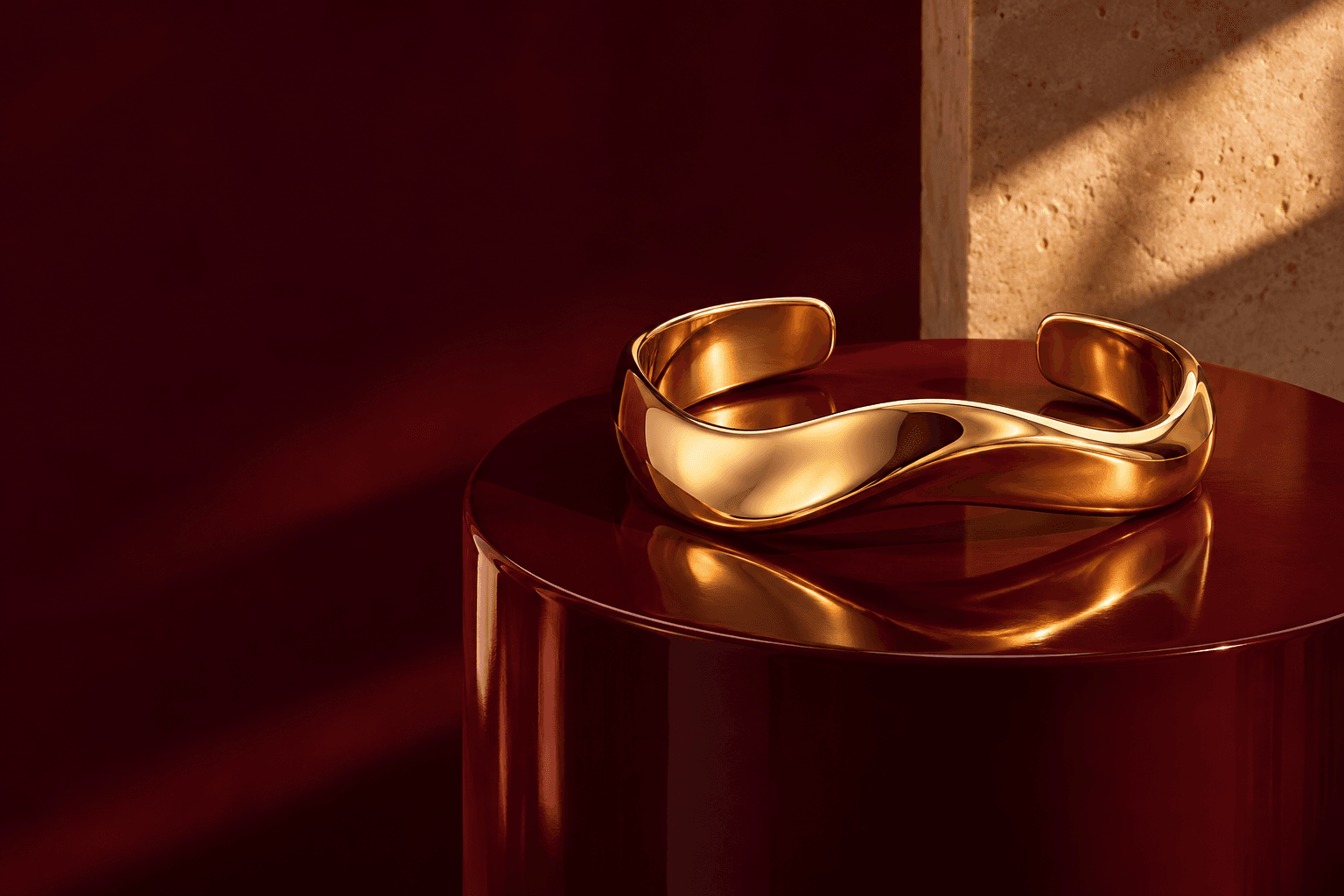
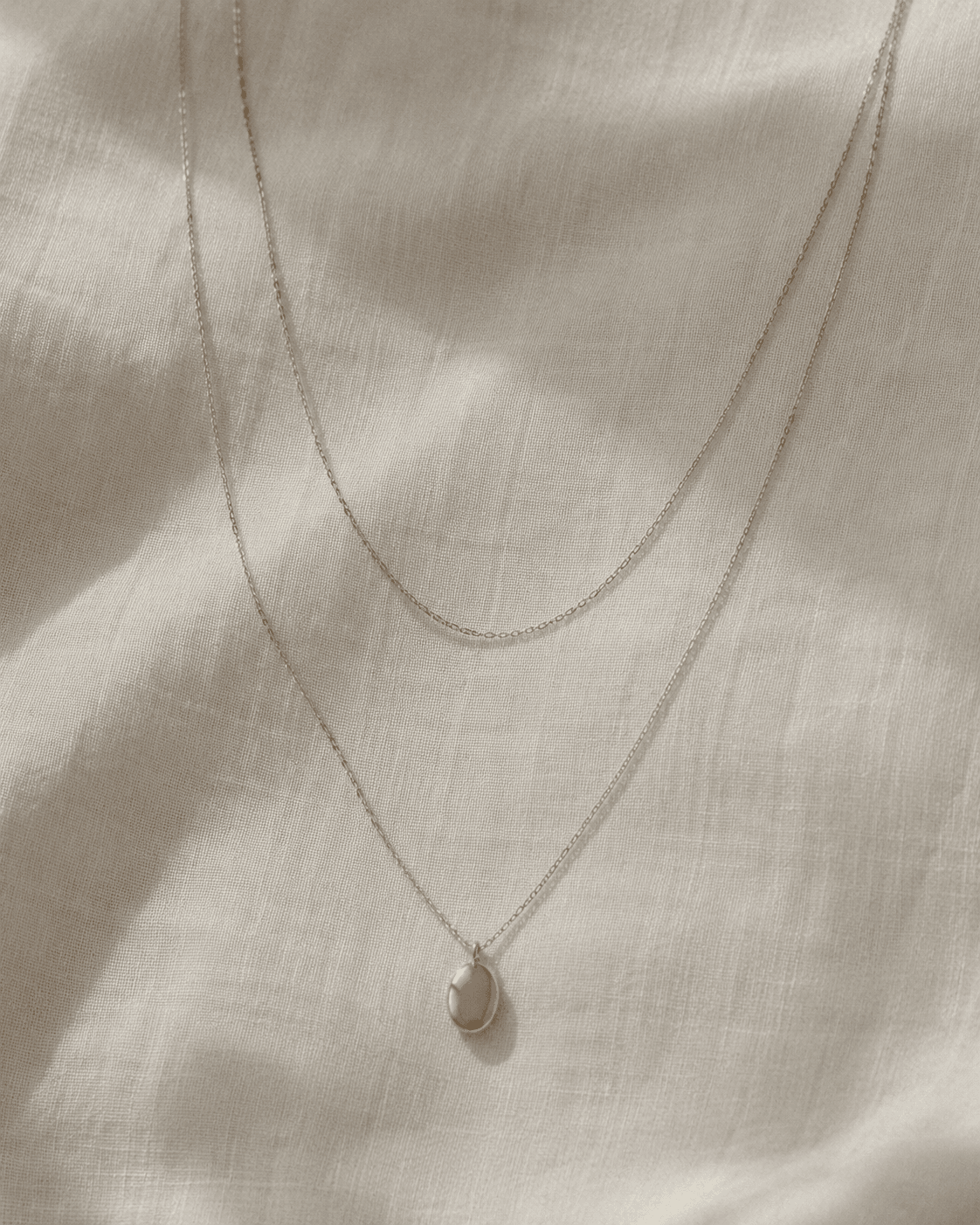
Save the actual dimensions and construction details alongside the image you like. If material information or a measurement is missing, ask for it instead of inferring it from the colour. OVE’s current images are concepts, so they cannot be used for this measurement exercise.
- Confirm inner or outer diameter and the unit
- Check the weight per piece, not only total package weight
- Read the post, closure and included-item information
- Compare materials and finish with your own requirements
- Check the seller’s return conditions before purchase
A little more clarity
Your questions, considered.
Is a 20 mm hoop always a small hoop?
Size labels vary. Use the actual diameter and profile, and confirm which diameter the seller measured.
Does a hollow-looking hoop mean it is lightweight?
An image does not establish construction or weight. Ask for the weight per earring and the product’s construction details.
About these notes
Prepared for OVE JEWELRY with AI-assisted research and writing. These are general styling and buying notes, not a report of product testing. Editorial images are AI-generated concepts. The OVE collection is not yet available to order.
Our editorial approach